
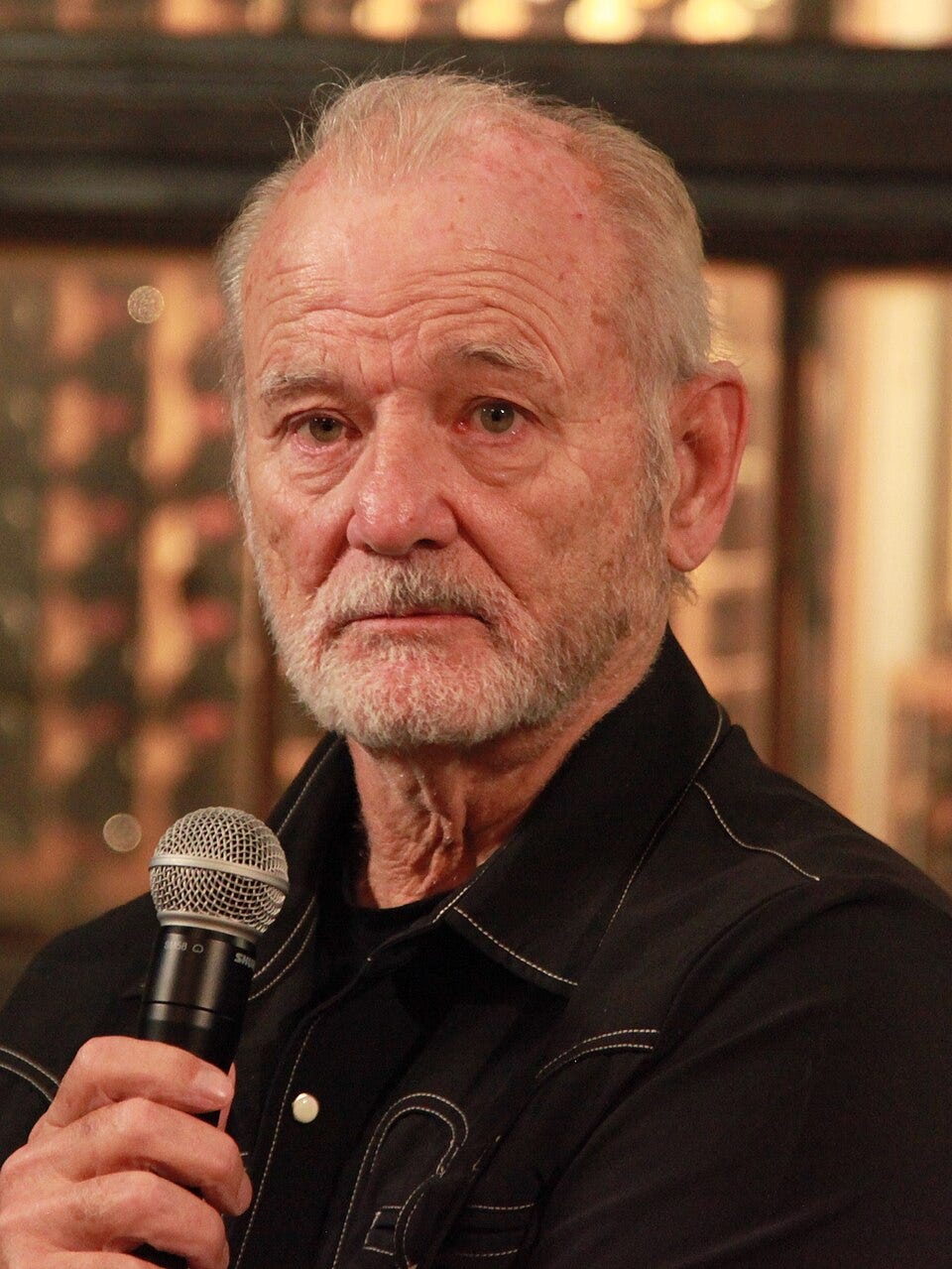
There are bad ways to be famous. I feel awful for Rachael Gunn—the Australian breakdancer who went viral due to her unfortunate performance in the 2024 Olympics. She was the second-most-popular Halloween costume that year, which is not the sort of fame anyone would want.
But what about the fame of a professional athlete, popular musician, or big-name actor? What’s that like? Should we want it?
I once spent an hour with a famous person. Many years ago, Alan Alda came to Yale to film some of the developmental research there for the PBS series The Human Spark. At one point, I walked with him to pick up coffee from a place a few blocks away from the Psychology building.
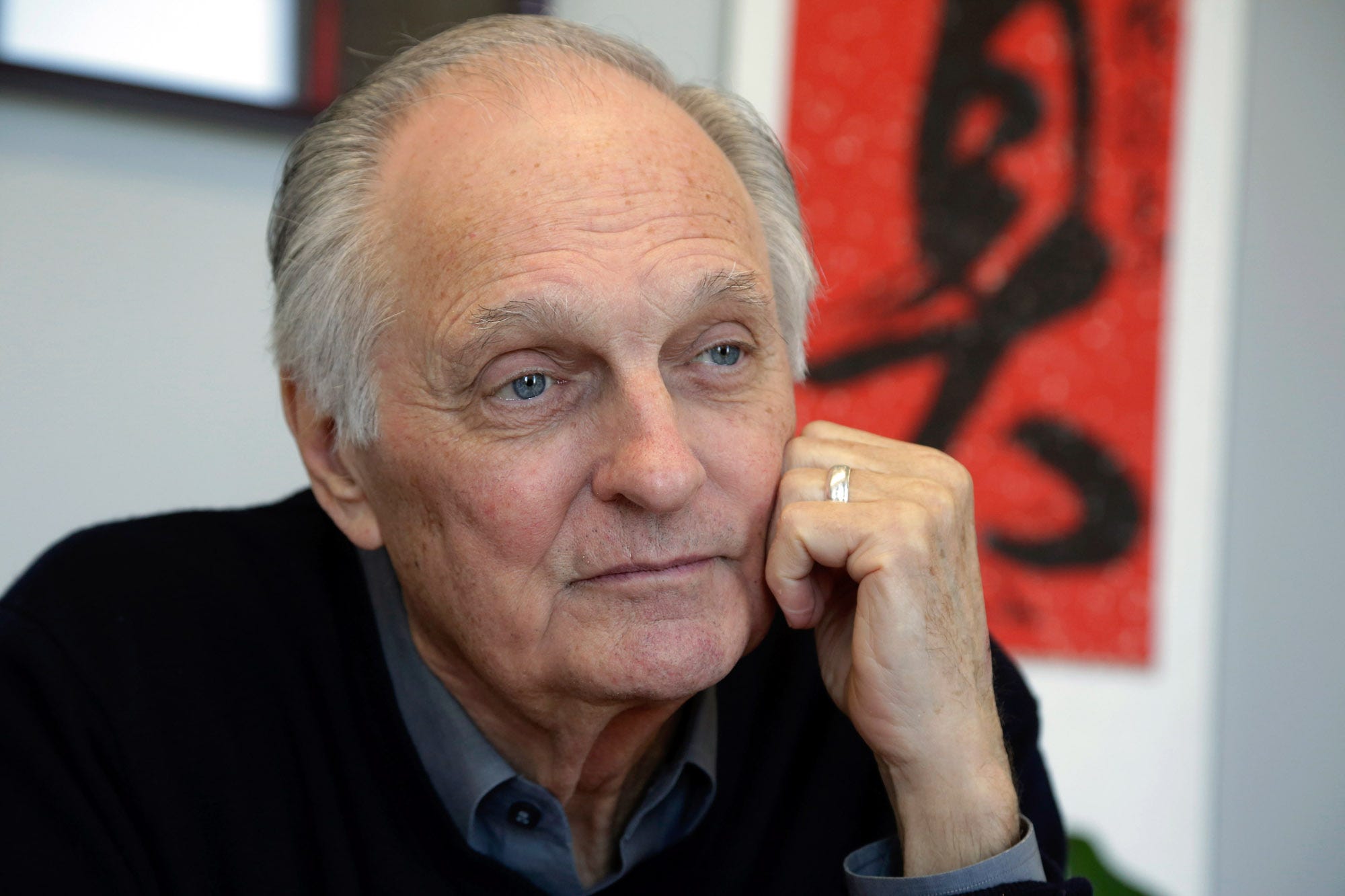
Now, Alan Alda was 73 at the time, and he didn’t have anywhere near the fame of a Tom Cruise or Taylor Swift. We didn’t need police protection; he had no bodyguards; there was no danger of a riot. And when we walked along Grove Street, some people passed us with no change of expression, zero recognition.
But we walked past others, and I saw their eyes widen in surprise. Some poked their companions and whispered to them. One guy spun around and started to follow us. Alda seemed oblivious, though he must have noticed. And once we got to Willoughby’s Coffee & Tea, people gathered around Alda to ask for his autograph and to tell him how much they liked his work, and he responded with warmth and grace.
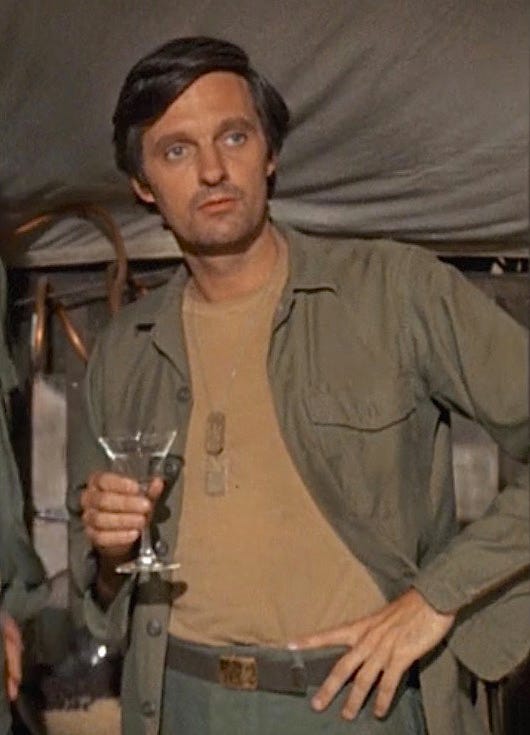
And imagine what it must have been like to do this walk in the 1980s, when his character Hawkeye Pierce was the star of M*A*S*H—one of the most-watched television series ever—and Alda was one of the most recognizable people alive, an international sex symbol? I’m not sure we could have made it down the street without him getting mobbed.
Many wouldn’t want the fame that Alda had when we took that walk. And many more would find the more extreme fame of a Michael Jordan or a Scarlett Johansson to be a living hell.
But others, particularly young people, would kill for it. Ask a teenager what they most fantasize about becoming, and many will tell you: Professional Athlete. Famous Actor. Rock Star. Or they might talk about wanting to be a famous person of a sort that didn’t exist until recently—an Influencer, a Gamer, or a YouTuber like MrBeast.
Maybe their ambitions lie elsewhere, but even then, fame is often part of what they wish for. If they want to be a politician, they’re usually thinking of being president, not a state senator. If they want to be a scientist, it’s the sort who wins a Nobel Prize; if it’s a writer, it’s the sort who writes bestsellers.
The famous are typically rich, and the two modes of success go together: Rich and famous. But I think it’s mostly the famous part that appeals. Sure, some might fantasize about growing up to be a wealthy businessman like Walter Hachborn, co-founder of the Canadian home improvement chain Home Hardware …
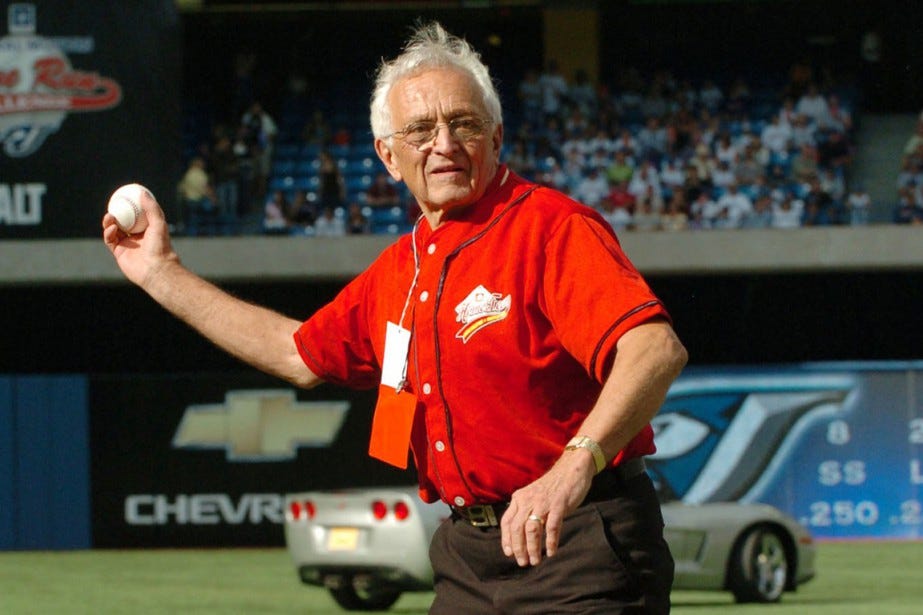
… but a lot more would want to be Leonardo DiCaprio, LeBron James, or Taylor Swift.
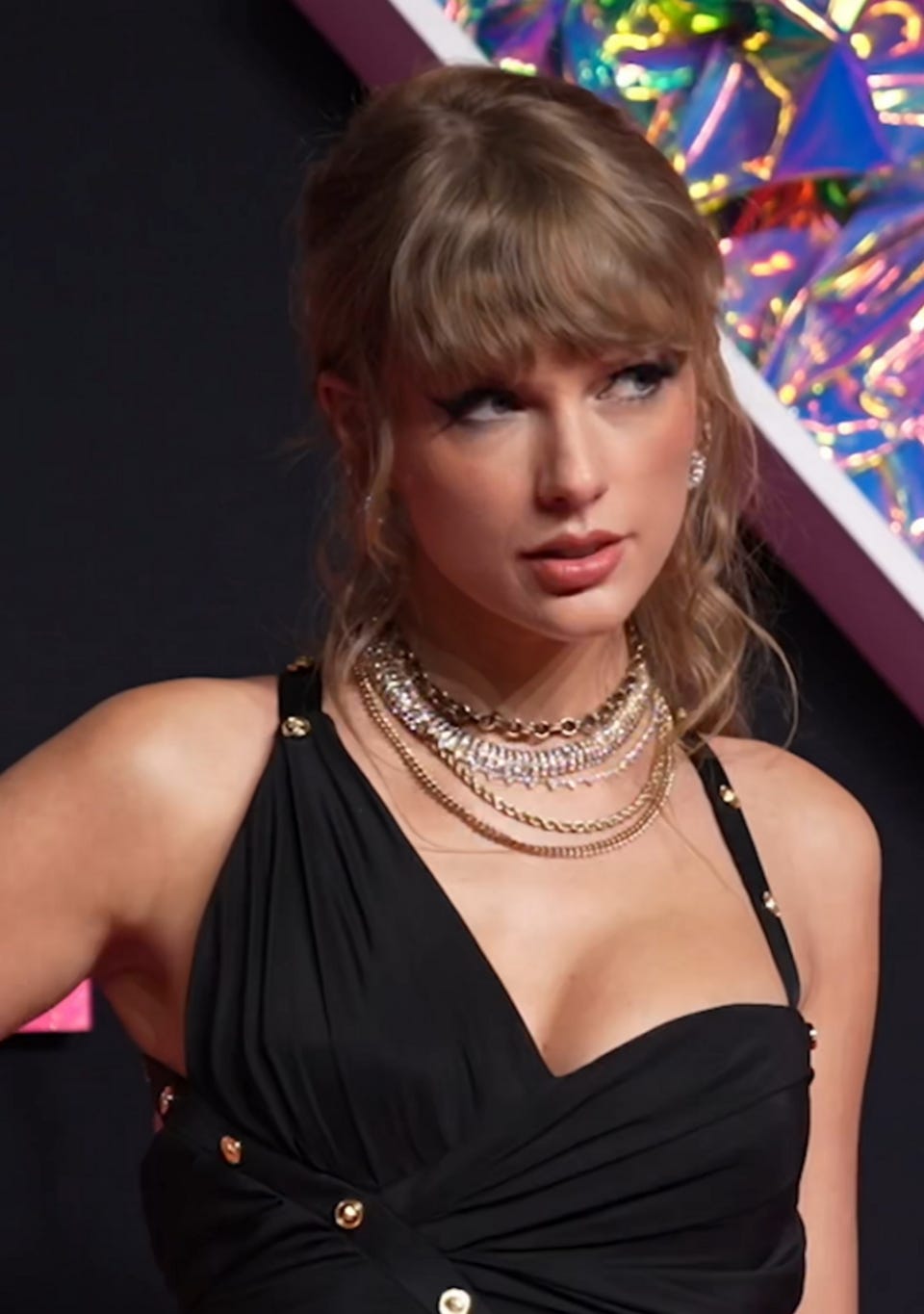
If you ask many famous people, though, even those who are a lot less famous than Alan Alda, they’ll tell you about the downsides of fame.
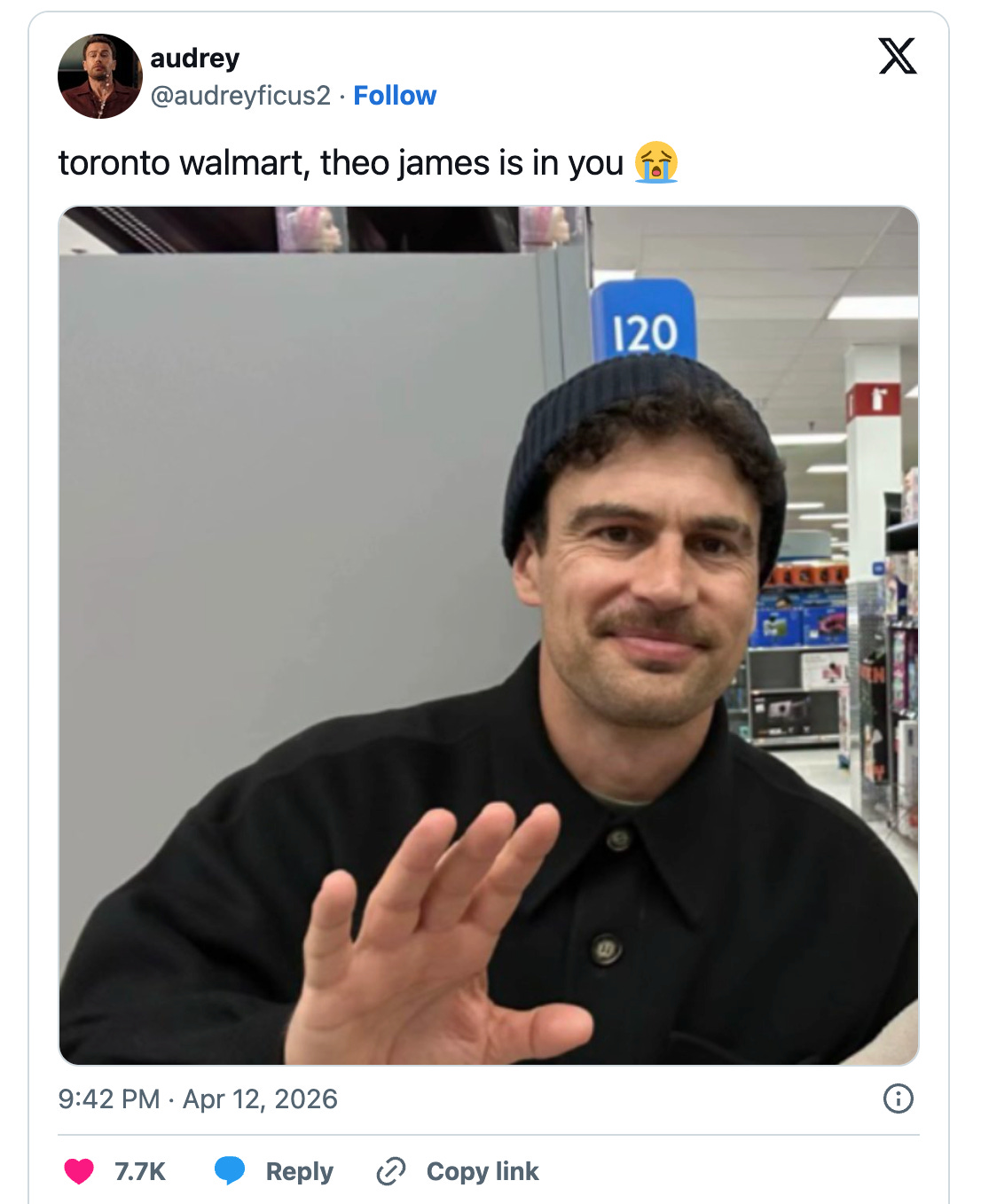
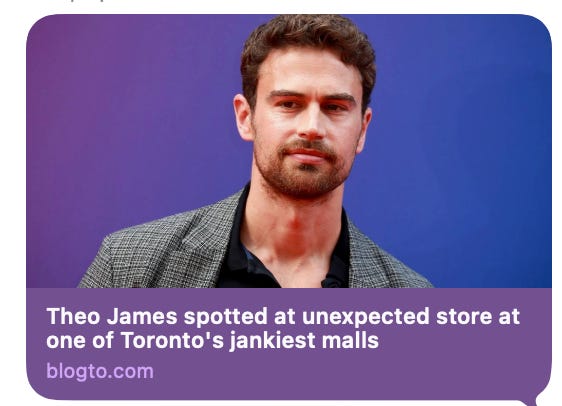
One is the loss of personal space. Every once in a while, I’m stopped on the street by someone who has taken my online course, seen me being interviewed, or watched me on YouTube. They always have kind things to say, and it feels nice. I am pleased with my nano-fame. But if it happened all the time? If I couldn’t walk to the liquor store without strangers walking over to talk to me, without being hassled by the paparazzi? I live close to a fairly ugly shopping center called Dufferin Mall; what would it be like to be Theo James, whose visit to The Dirty D is the topic of posts on X and an article on a major Toronto website?
I’d never leave the house.
It gets worse. The writer and lifehacker Tim Ferriss has a terrific article called: 11 Reasons Not to Become Famous (or “A Few Lessons Learned Since 2007”).
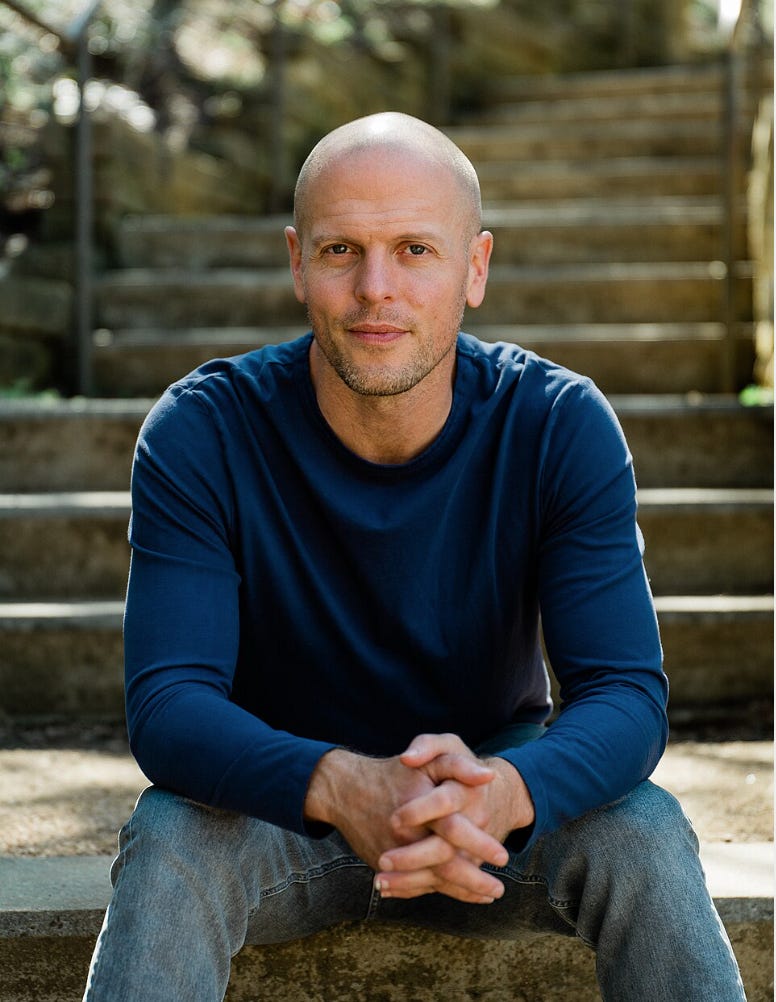
He begins with a nice quote from John Adams in a letter to his wife.
Let the cymbals of popularity tinkle still. Let the butterflies of fame glitter with their wings. I shall envy neither their music nor their colors.
Ferriss puts the problem like this. If you are famous, many people know your name and face; you are on their minds. Most are nice, normal folk, but a small proportion are, as he puts it, “crazies, con artists, extortionists, possible (or actual) murderers, and so on.” Most of us will go through life without encountering any such individuals, but if a million people are thinking of you—and Ferriss has way more than a million monthly subscribers—some of them will fall into this scary category. If they see you on the street, they are likely to approach you. They will use social media to try to capture your attention. You become the target of death threats, rape threats, stalkers, and harassment (and not just of you, but of the people you love). There is a non-trivial risk of real harm, of being assaulted, kidnapped, or killed.
And so Ferriss, who is only mildly famous, has to take steps to ensure his security, and he recounts stories of harassment, blackmail threats, and one foiled kidnapping attempt. (Aella, who is internet famous to a similar degree, recounts how someone posed as an FBI agent and tried to abduct her.)
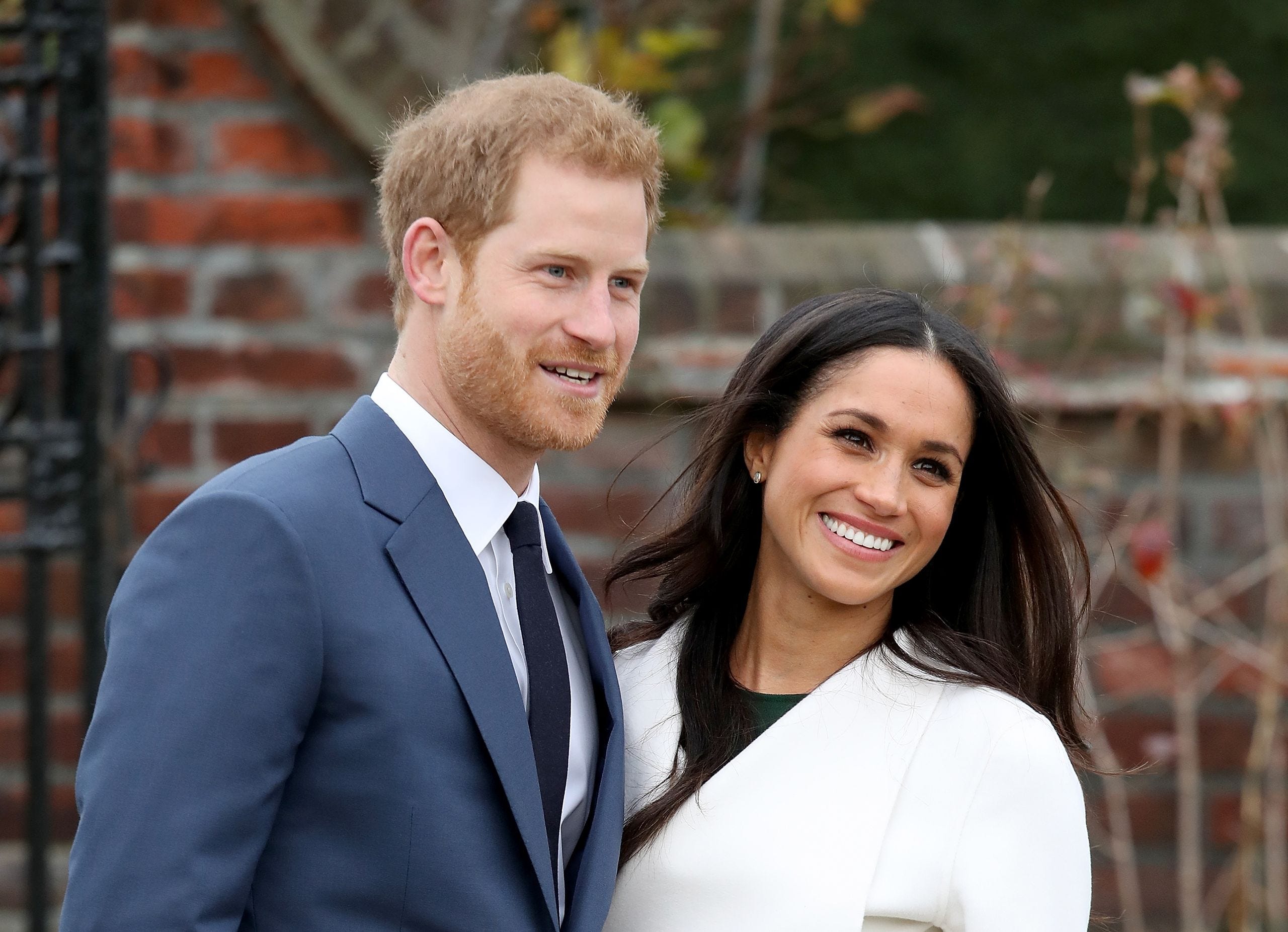
And the super-famous? By one estimate, Taylor Swift spends over ten million dollars a year on her security detail. One quite poignant theme of Prince Harry’s autobiography Spare was his fear that the Royal Family would take away his bodyguards, leaving him unable to protect himself and his wife, Meghan Markle, from the constant threats of violence they faced.
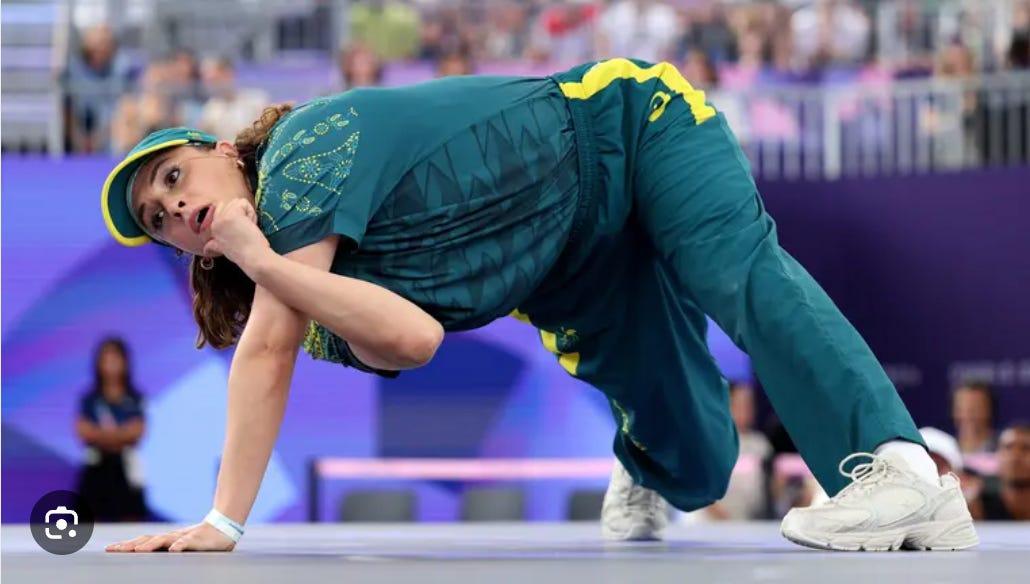
Ferriss quotes Bill Murray.
I always want to say to people who want to be rich and famous: ‘Try being rich first.’ See if that doesn’t cover most of it. There’s not much downside to being rich, other than paying taxes and having your relatives ask you for money. But when you become famous, you end up with a 24-hour job. . . . The only good thing about fame is that I’ve gotten out of a couple of speeding tickets. I’ve gotten into a restaurant when I didn’t have a suit and tie on. That’s really about it.
The thing is, Bill Murray is wrong. Fame gets you a lot.
One benefit raised by Ferriss is the influence it brings. George Clooney can make things happen because everyone wants to be with George Clooney. Ferriss is a decent guy, and so when he discusses how this influence can be put to use, he talks about creating a “real positive dent in the world.”
Another perk—and I’m afraid that this is a lot less transcendent than the first benefit—is that if you have the right sort of fame, the sort that actors, athletes, and artists have, a lot of very attractive people will want to have sex with you. Now, I know there will be comments saying, Ew, who would ever want that? But some find this an appealing prospect.
These two considerations are instrumental—tangible consequences of fame—but I think the main appeal is more primitive. We are social animals, and as such, we are attuned to status—we like being respected, admired, and loved; we like mattering to other people. (I write about this in detail here.) Doesn’t it feel nice to be in a community where you’re liked and respected? Doesn’t it feel good to have someone tell you how much they admire you, what a positive influence you’ve had on them, how amazing you are? Imagine being so wonderful in other people’s eyes that just a short encounter with you will be a story they will tell for years.
So don’t think about the many positive and many negative implications of mattering so much to this many people. Rather, just imagine the feeling of basking in this much admiration and love. If this doesn’t move you, well, you are either a saint or something is wrong with you.
Fame has its pros and cons, then. Pros: You can make the world a better place, have lots of sex with hot people, and bask in the joyous feeling of being loved and admired. Cons: Endless hassle, loss of privacy, and someone might show up at your house in the middle of the night and kill you and your family. You choose!
There’s a lot to be said here about different kinds of fame and how they interact with the pros and cons. I have a friend who once told me that he has a fair number of fans who adore him … but they’re all nerdy young men, so some of the perks of fame elude him. Some famous people have famous faces and so get stopped on the street, even if few people know their names (many character actors); others have famous names but are fairly unrecognizable and so are less hassled (many authors).
Some forms of fame come with certain downsides. There are real negatives, for instance, to being seen as a tough guy. In Matthew Polly’s biography of Bruce Lee, he says that once Lee became a superstar, men would regularly approach him on the street and demand to fight. You can see it from the men’s point of view—wouldn’t it be something to win a fight with Bruce Lee? Even getting one’s ass kicked by Bruce Lee would be something to boast about! And if Lee refused to take you up on your challenge, well, who’s the tough guy now? Lee’s solution? When in public, he would always be surrounded by his friends, and when challenged, he would deal with it by having the challenger fight one of his friends first … to show he was worthy. (Thinking about it, there are drawbacks in being a friend of Bruce Lee as well.)
It must be rough in a different way to be an attractive, famous woman. You are then the focus of the often unhinged romantic and sexual desire of countless men. The fantasy of a regular schmoe having an affair with a beautiful, famous movie star might make for a good romcom …
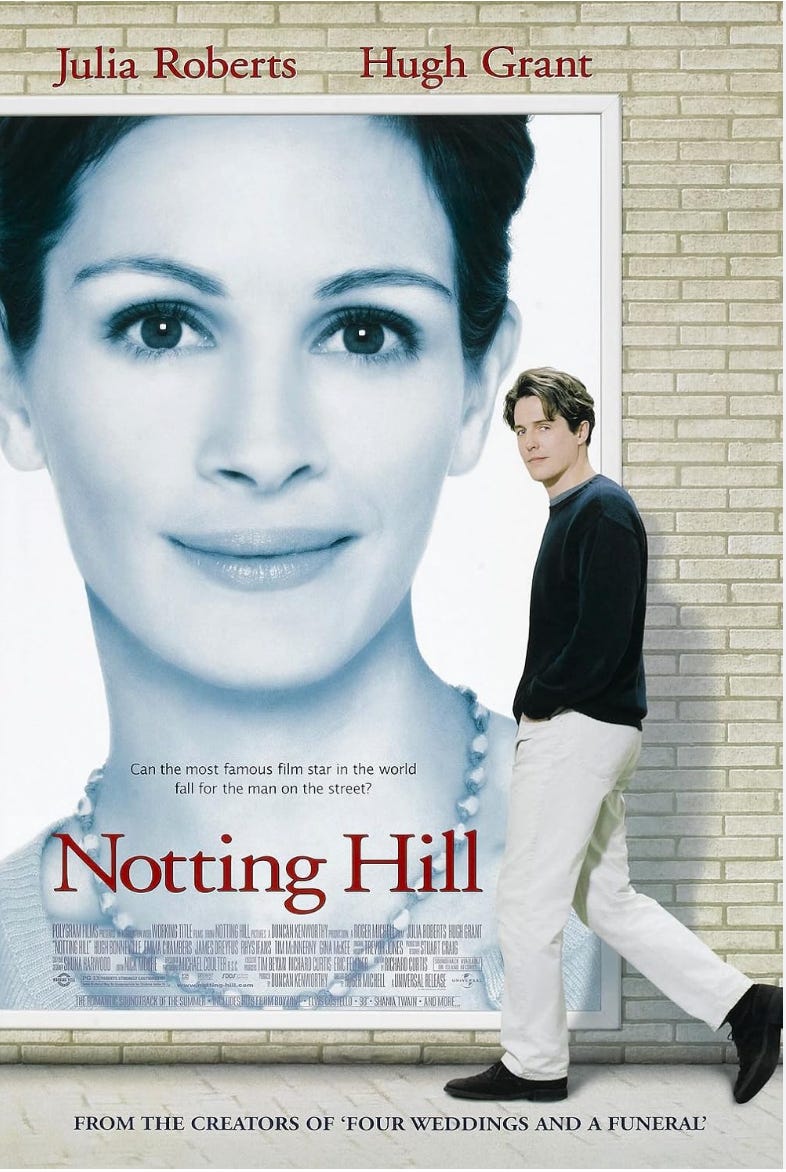
…. but the reality of these obsessions must be a terrible thing for many famous women.
Famous people, because they don’t want to inspire envy, often downplay the upsides of fame. But I’ve noticed that even those who complain about fame seem to enjoy it.
Like Bill Murray. It’s strange to read him being so negative about fame, given that there is a whole movie about how much he loves it. Apparently, Bill Murray enjoys showing up unexpectedly—at bachelor parties, Frisbee games, karaoke clubs, and so on—so that people go “Holy shit, that’s Bill Murray!” and are delighted by their accidental encounter with a famous person. I don’t begrudge Bill Murray his hobby, which really does add joy to people’s lives, but it does seem disingenuous for the same guy to say “meh, there’s nothing positive to being famous”.
Kevin Bacon is more honest. In The Arabian Nights, a king disguises himself so he can walk among the common people of Baghdad. Just like Caliph Harun al-Rashid, Bacon wondered what it would be like to be a nobody.
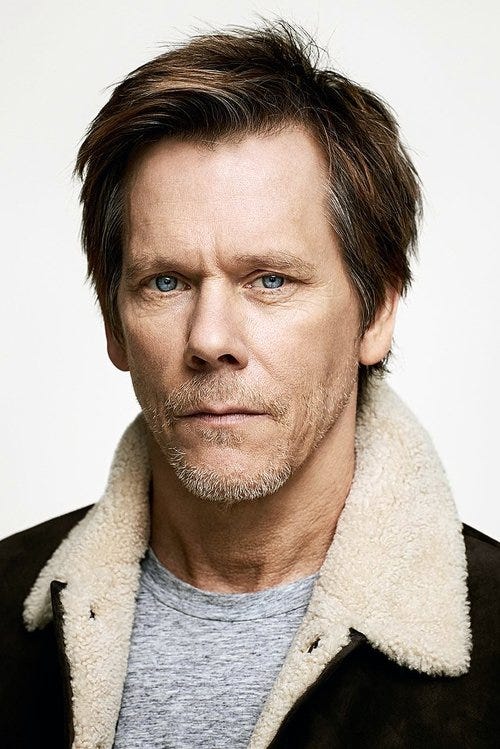
Putting on a baseball cap wouldn’t do the trick (Bacon: “I’m not complaining, but I have a face that’s pretty recognizable.”). So he had a special effects makeup artist create an elaborate prosthetic disguise, including glasses, a modified nose, and fake teeth. It worked. Bacon walked through an outdoor shopping mall full of tourists, and nobody recognized him.
Here is what he said about it. He’s being funny, of course, and self-deprecatory, but I think there’s a real truth here.
“People were kind of pushing past me, not being nice. Nobody said, ‘I love you.’ I had to wait in line to, I don’t know, buy a fucking coffee or whatever. I was like, this sucks. I want to go back to being famous.”
I'm in favor of being rich and anonymous. I take your points about the perks of fame, but I'm routinely mistaken for Brad Pitt already. Now to achieve the rich part...
Two actresses who star in "Yellowjackets" discussed their experiences playing an unattractive (well, unattractive for Hollywood) character on the show:
RICCI: I found that the second I put the wig and glasses on, people actually treated me differently. Did you find that?
HANRATTY: Oh, definitely.
RICCI: I was dismissed, teased more. It was really fascinating.
HANRATTY: I don’t think we’ve talked about this, but I was seeing a therapist while I was in Canada, and that was something that we discussed. I was definitely treated differently when I was in hair and makeup and wardrobe.
RICCI: It was fascinating. I wanted to take it all off and be like, “No, you will not talk to me like that anymore.”
https://www.interviewmagazine.com/culture/samantha-hanratty-and-christina-ricci-on-surviving-in-the-wilderness